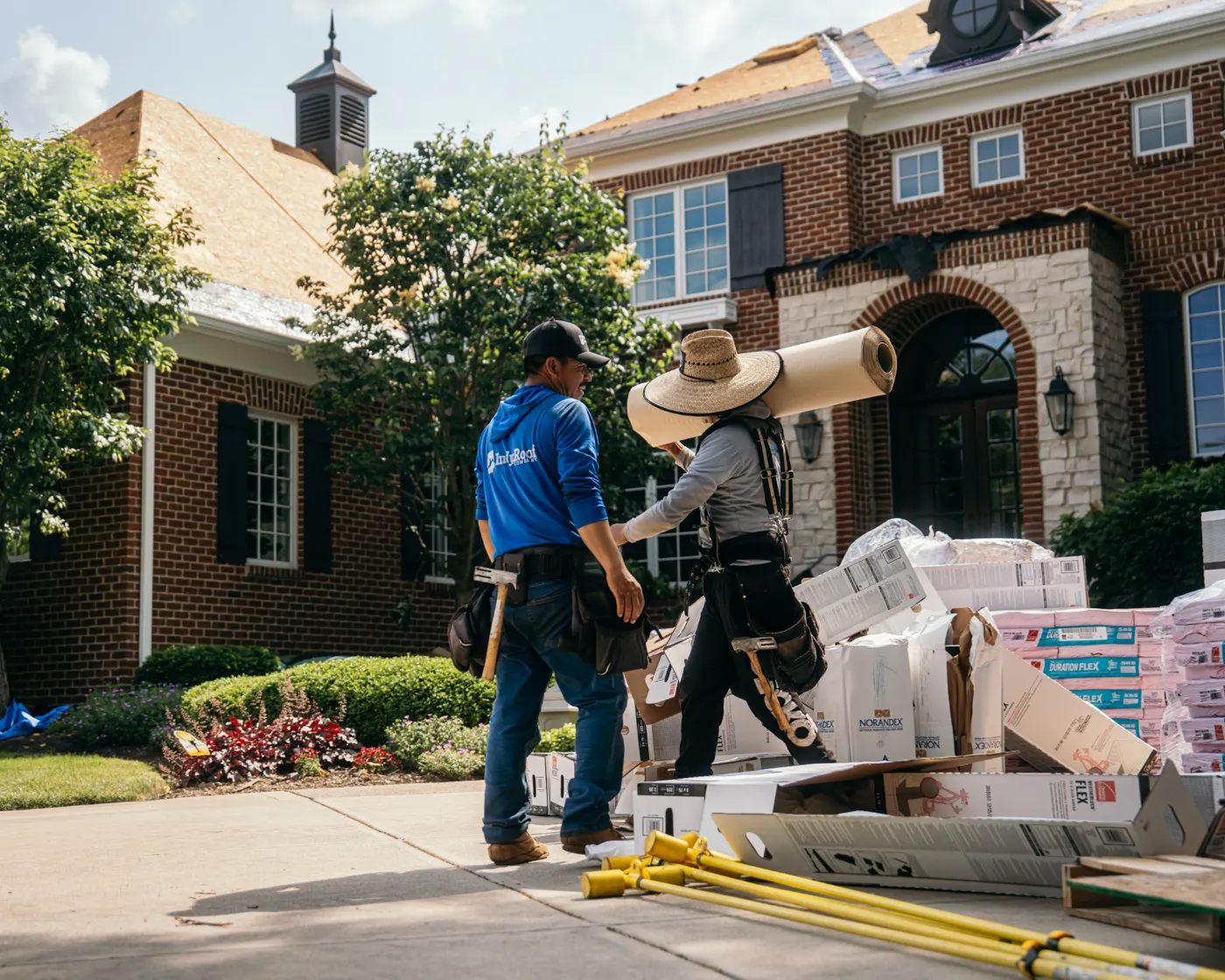
A Roofing Contractor Wild Air Can Reach by Phone
Wild Air Roofing provides roofing to homeowners across Wild Air, from the custom estates off Marysville Road to the townhomes near Wild Air Landing. Licensed and insured in Indiana, we offer free inspections and written estimates so you know exactly what your roof needs before any work starts.
If we're busy helping someone else and miss your call, we'll call you back within 15 minutes.



Storm damage in Wild Air? Wild Air Roofing inspects, documents panel by panel, and meets your adjuster on the roof speaking their language. Call (765) 978-3528.
- Services: roof inspections, roof repair, emergency roof repair, roof replacement
- Service area: Wild Air, Boone, IN and surrounding areas
- Response: Emergency tarping for Wild Air homes, including roofs we did not install
- Licensed and insured (License #RC21100059)
- Serving Wild Air, IN since 2018
Schedule Your Free Roof Inspection
A proper roof inspection in Wild Air looks at the whole system, not just the surface. Our crew walks the roof and checks shingle condition, flashing at chimneys and sidewalls, pipe boots, valleys, ridge lines, and the areas around skylights or dormers where problems tend to start. We look for hail bruising, wind lifted or torn shingles, granule loss, and any signs of age or storm damage, and we document everything with photos so you can see exactly what we see. Catching a small issue early on a Wild Air roof, like a lifted shingle tab or a cracked pipe boot, keeps it from turning into interior damage and a much bigger repair bill later.
I agree to be contacted by Wild Air Roofing regarding my inquiry.
Storm evidence has a shelf life on a Wild Air roof. Hail marks weather smooth, lifted shingles reseal or tear away, and the granules that told the story wash down the gutters. Carriers date claims from the storm, not the discovery, and a Boone homeowner who waits a year to look is often documenting a roof the weather has already tidied up.
Wild Air Roofing pulls permits where Wild Air requires them and meets the inspector personally. The roof gets built for the inspection whether one is scheduled or not: drip edge on every eave, starter strips on every rake, valleys detailed the way the code book drew them. Boone inspectors wave at crews whose work they have already learned to expect, and ours have earned the wave.
Managing rental roofs across Boone? Wild Air Roofing onboards landlords with a portfolio walk: every roof documented, prioritized, and put on a calendar, with one contact for all of it and invoices sized to the work. Call (765) 978-3528. Wild Air portfolio owners who found one straight roofer tend to stop shopping, and the model is built on exactly that.
Payment Options That Work for You
Your Wild Air Roofing project lead will walk you through every financing option during the assessment. Terms in writing, no pressure, no surprise charges.
Pay for your project at a later time, but lock in today's pricing. Ideal for homeowners waiting on insurance settlements.
- No payments for 12 months
- No interest if paid in full
- Lock in current pricing today
Divide your project cost equally across 12 months with zero interest. Most homeowners choose this option for predictable budgeting.
- Equal monthly payments
- 0% interest for 12 months
- Simple, predictable budgeting
Spread your investment over up to 20 years with fixed equal payments. The right choice for larger projects or homeowners who prefer lower monthly amounts.
- Up to 20-year terms available
- Fixed equal payments
- Ideal for larger projects
Financing provided by Slice, Foundation Finance, Regions. Subject to credit approval. Rates, terms, and promotional periods are set by the lender and disclosed in writing before you sign.
What We Do on Wild Air Properties
From inspections and repairs to full replacements, Wild Air Roofing handles every roofing project with manufacturer-certified crews and clear documentation.
Roof Inspections in Wild Air
A thorough on roof inspection for Wild Air homes covering shingles, flashing, penetrations, and valleys, with photo documentation and a written summary of what we find.
Learn moreRoof Repair in Wild Air
Targeted repairs for Wild Air roofs, including missing or torn shingles, damaged flashing, cracked pipe boots, and localized storm damage that does not warrant full replacement.
Learn moreEmergency Roof Repair in Wild Air
Prompt response for Wild Air homeowners with active leaks, storm damage, or exposed roof decking, including temporary tarping to stabilize the roof before permanent repairs.
Learn moreRoof Replacement in Wild Air
Full roof replacement for Wild Air homes, from tear off through new underlayment, shingles or metal, flashing, and ridge details, finished with a walkthrough and cleanup.
Learn moreDesigner Roofing in Wild Air
Premium designer roofing options for Wild Air custom and luxury homes, including upgraded profiles, architectural detailing, and material choices that fit high end elevations.
Learn more
Local Expertise, Real Results
Old flashing gets replaced, not reused and caulked over.
Leak repairs get diagnosed, not guessed. Wild Air Roofing traces water to its entry point on Wild Air roofs, fixes the cause instead of the symptom, and confirms the shingle match at the house before ordering.
Wild Air Roofing has been doing roofing work in central Indiana since 2018, and we serve Wild Air along with the rest of Boone County and surrounding areas like Whitestown, Lebanon, and Brownsburg. Founder Aaron Christy built the company on straightforward roofing work, and his experience has been featured on FOX59, WISH TV, and RTV6. Our crews are local, licensed and insured in Indiana under RC21100059, and familiar with the way Boone County weather treats a roof. Wild Air homeowners get the same careful walkthrough whether the home is a 1,800 square foot ranch or a 5,000 square foot custom build.
The way we work in Wild Air is simple. Every job starts with a thorough on roof inspection, photos of what we find, and a written estimate that spells out the scope in plain language. If something needs repair, we tell you. If a roof still has years of life left, we tell you that too. Our crews treat the roofing itself with the rigor these homes deserve, from proper flashing details around penetrations to correct nailing patterns and clean lines along the ridges and valleys.
Our Promise
Every Wild Air homeowner gets three things from Wild Air Roofing. First, a free on site inspection before any work is scheduled, with photo documentation you can keep. Second, an honest written estimate with clear line items and no surprises added later. Third, clean workmanship on the roof backed by a workmanship warranty, plus the standard manufacturer coverage that comes with the shingles or materials you choose. That is the deal, no gimmicks.
What Sets Our Wild Air Crew Apart
We work in Wild Air and Boone, using solid materials, inspecting carefully, and quoting openly.
Built For Storm Season
Boone County sits in a corridor that sees hail, high winds, and the occasional tornado warning every year. When storms roll through Wild Air, we prioritize inspections for homeowners who took a direct hit, document the damage properly, and get a tarp or emergency repair in place if the roof is exposed. You get answers fast without the guesswork.
Familiar With Wild Air Homes
Wild Air is a mix of custom estates, boutique single family homes, ranches, and townhomes, each with its own roof geometry. Our crews have worked on the range of styles going up in the community, from traditional pitches to contemporary luxury lines. That means fewer surprises, cleaner details, and roofing that fits the design intent of the home.
Full Scope, One Crew
We handle the whole arc of a roofing project, from the first inspection through the finished job and final walkthrough. You are not handed off between different companies for inspection, repair, and replacement. One team, one point of contact, one written scope. That keeps the timeline honest and the workmanship consistent.
Insurance Documentation Done Right
When a Wild Air roof takes storm damage, the paperwork matters as much as the repair. We photograph the damage, note the specifics, and put together a written scope that gives your insurance carrier what they need to evaluate the claim. You stay in control of the claim, and we make sure nothing important gets missed.
Real Jobs. Real Results.
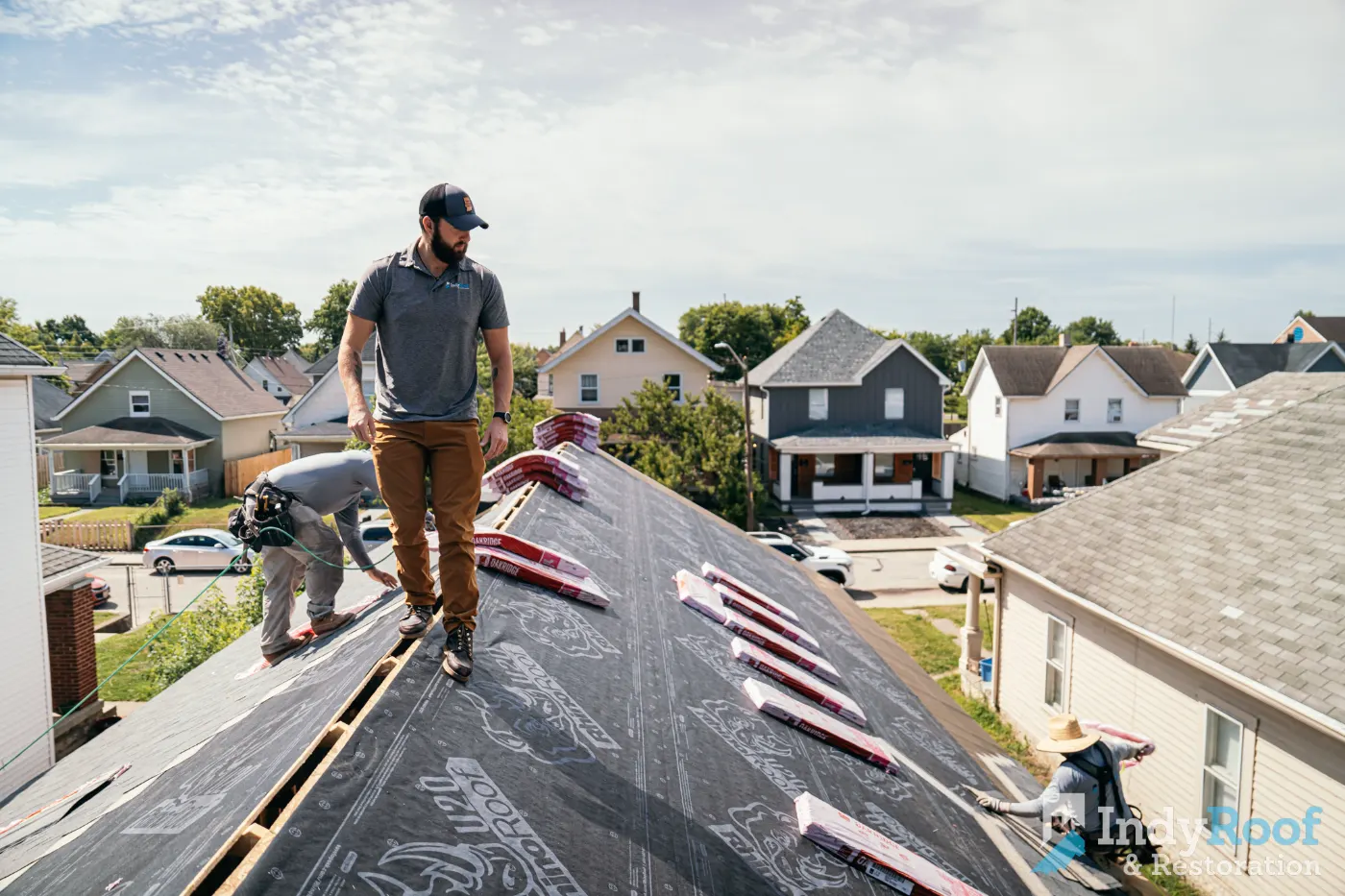
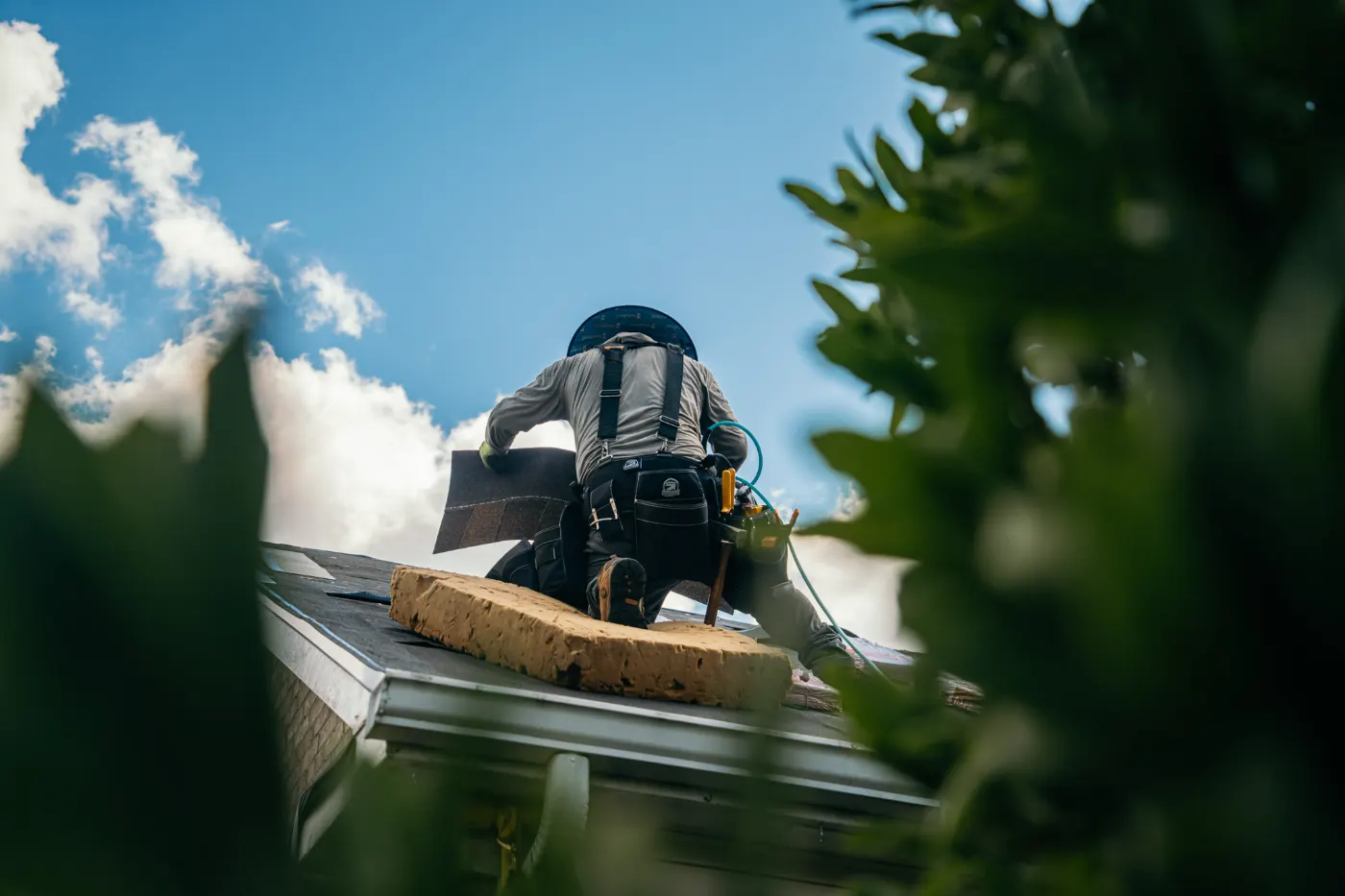
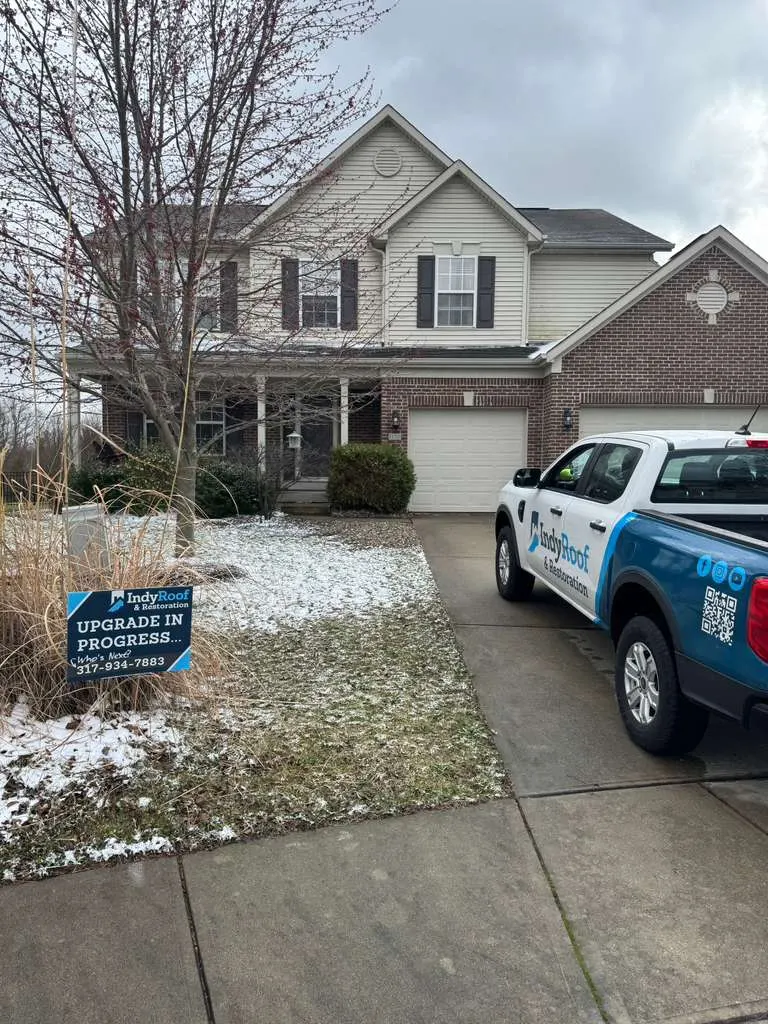
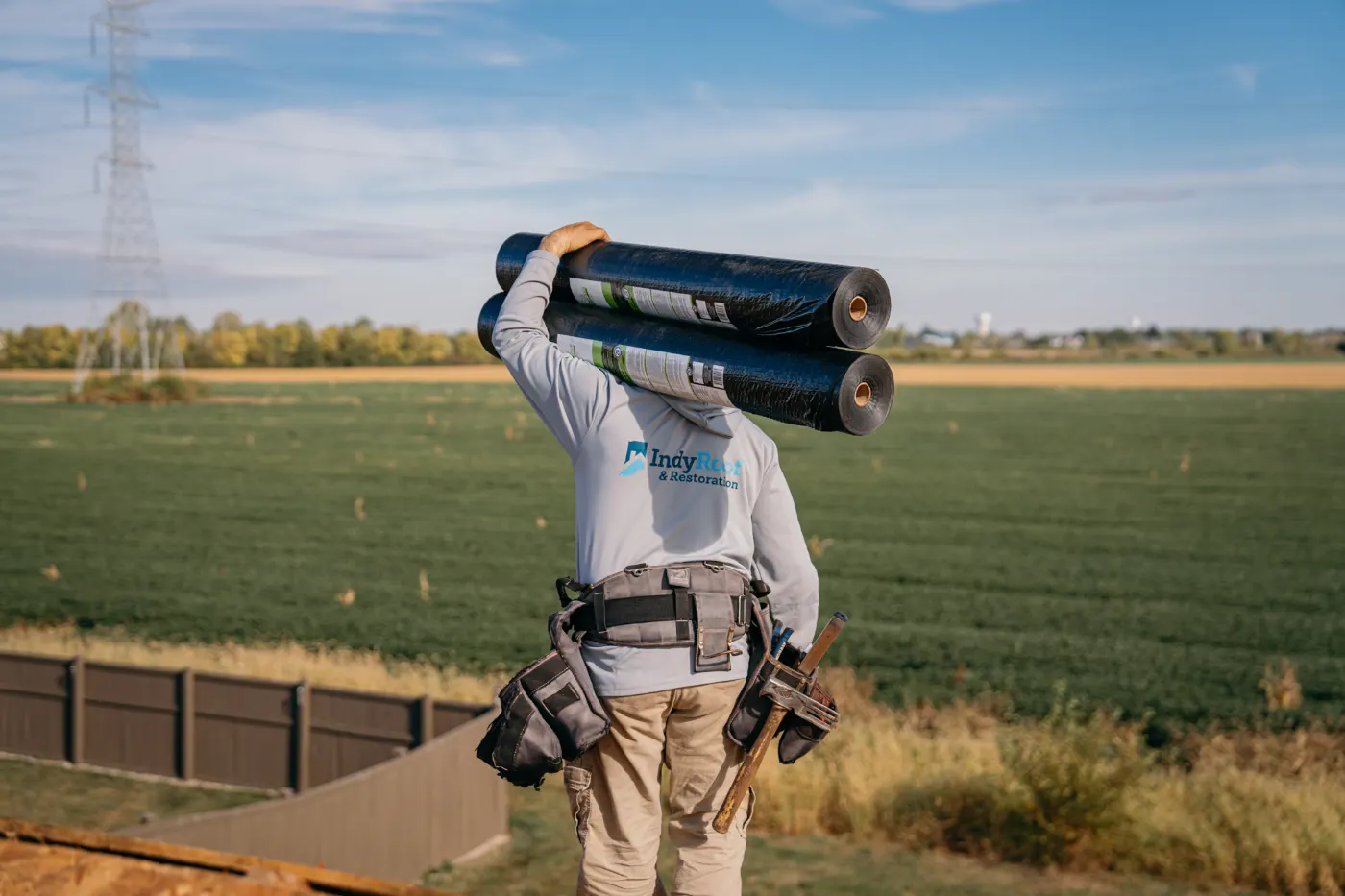
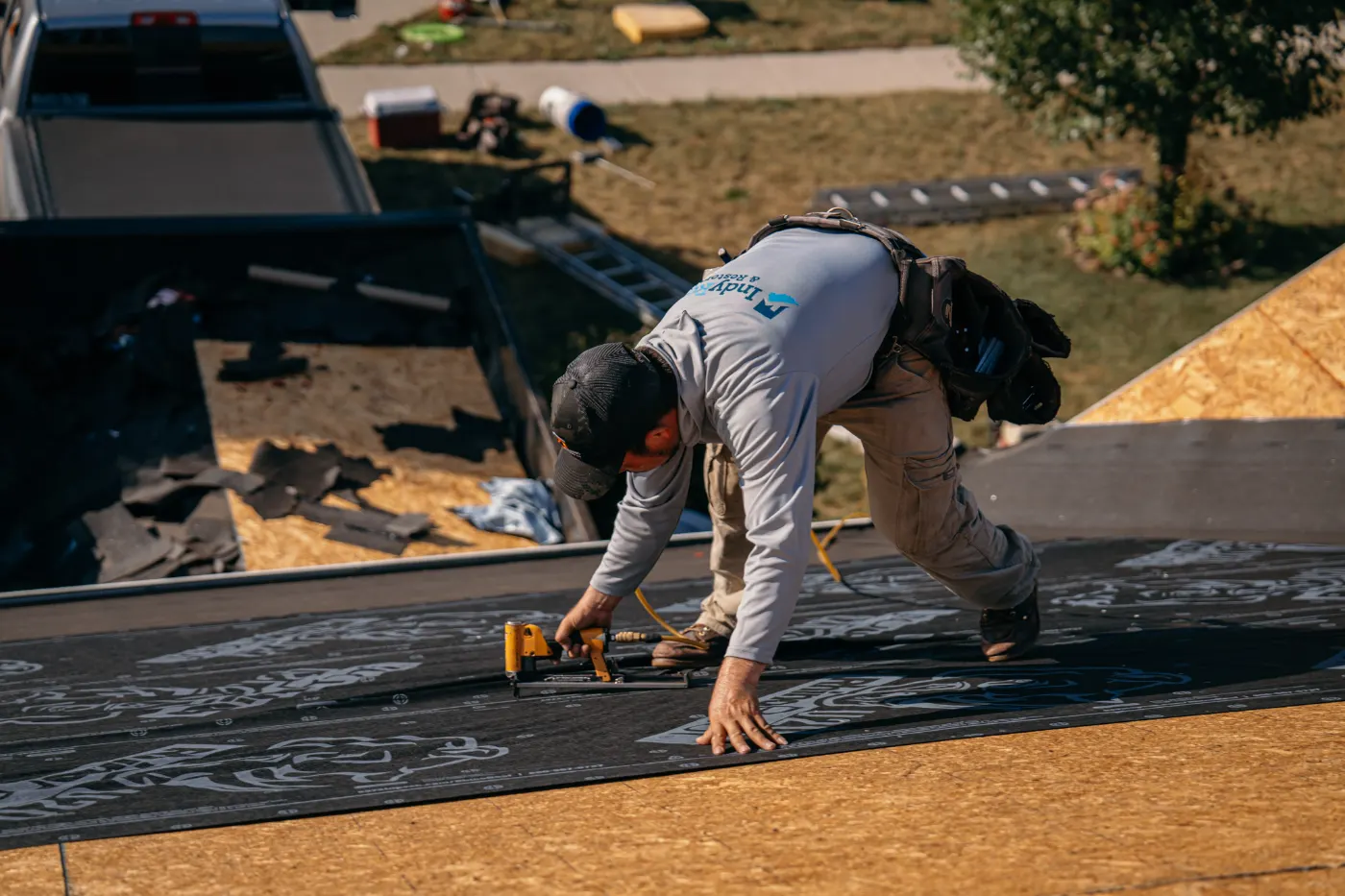
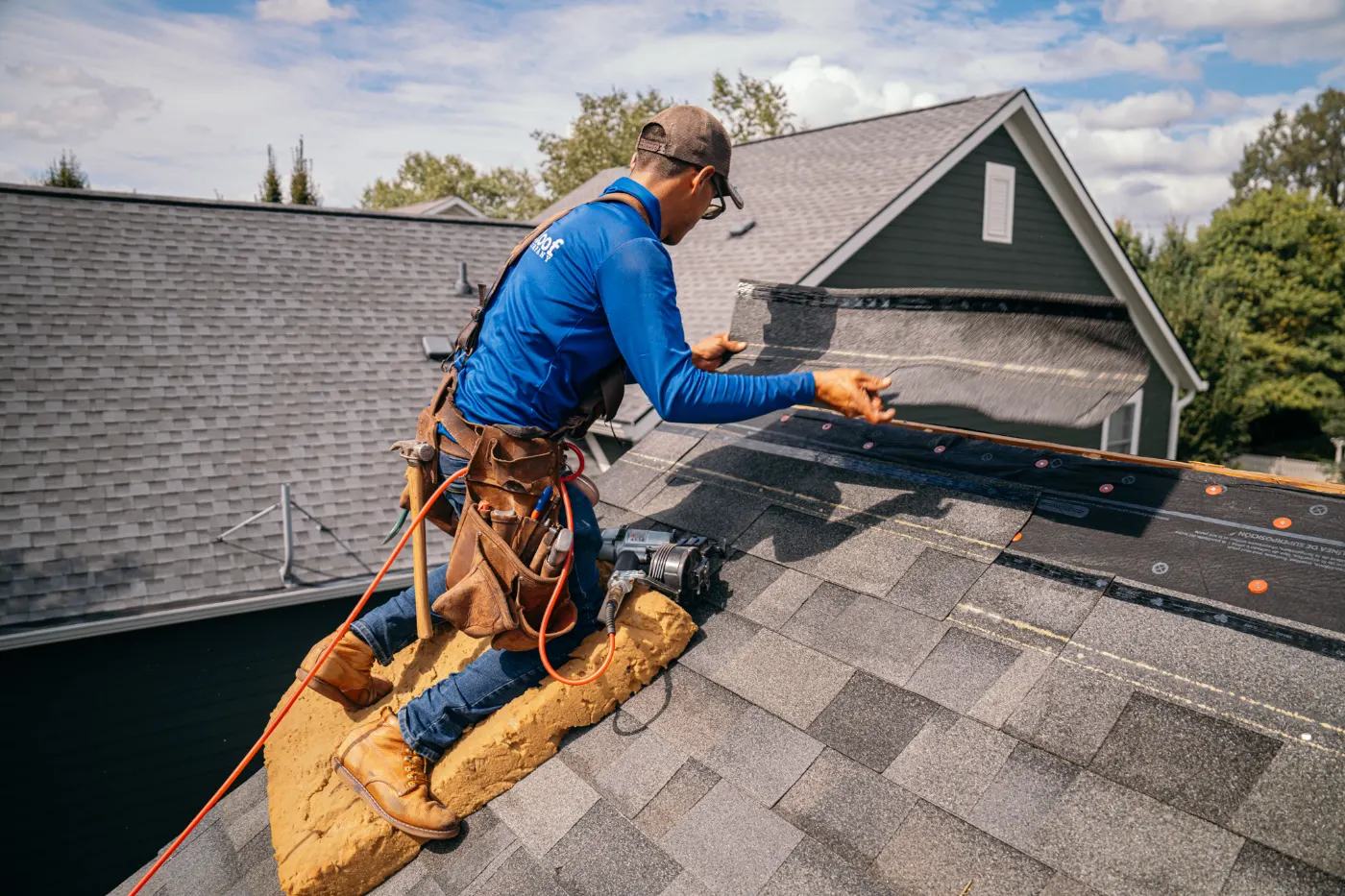
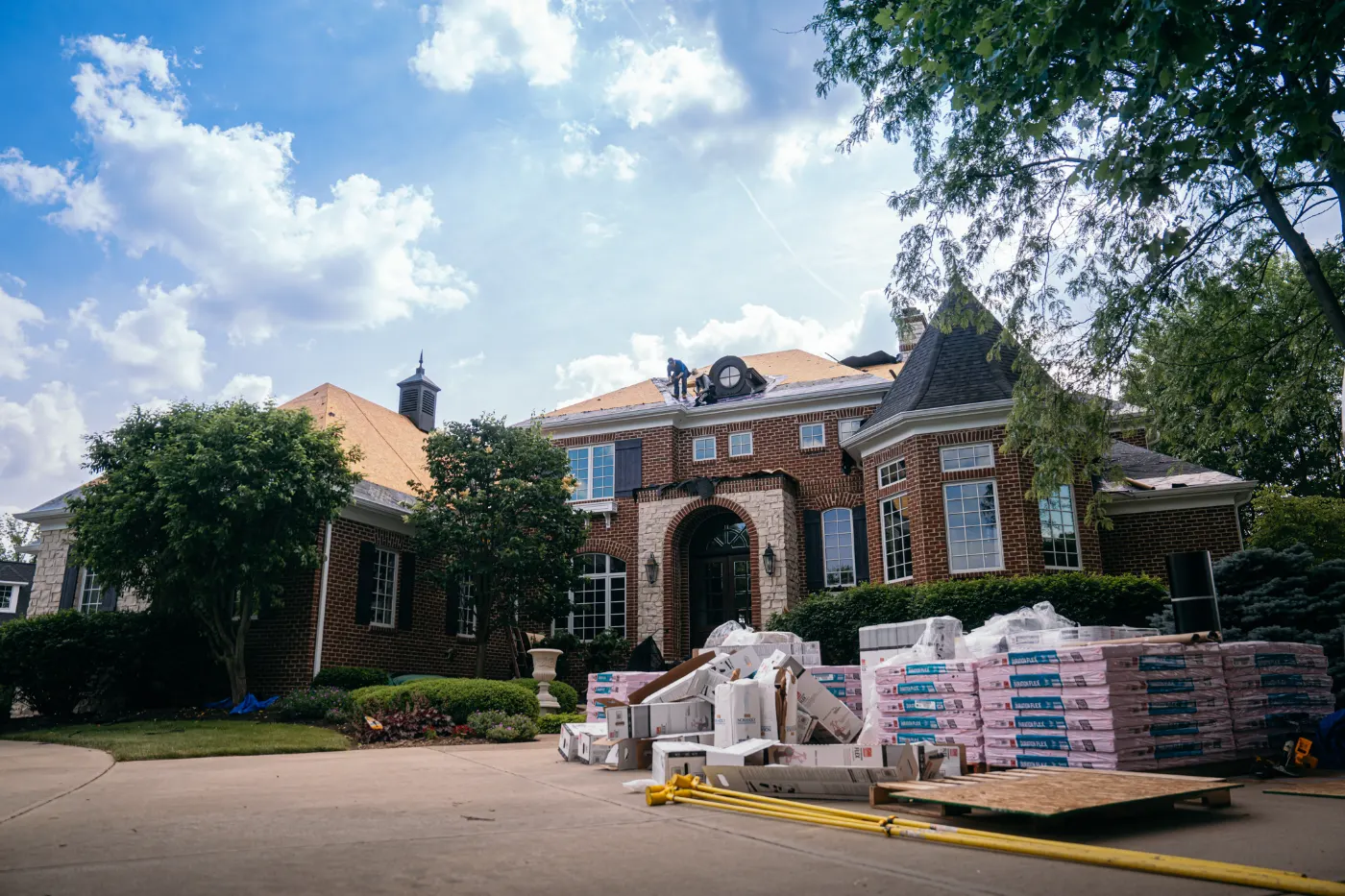
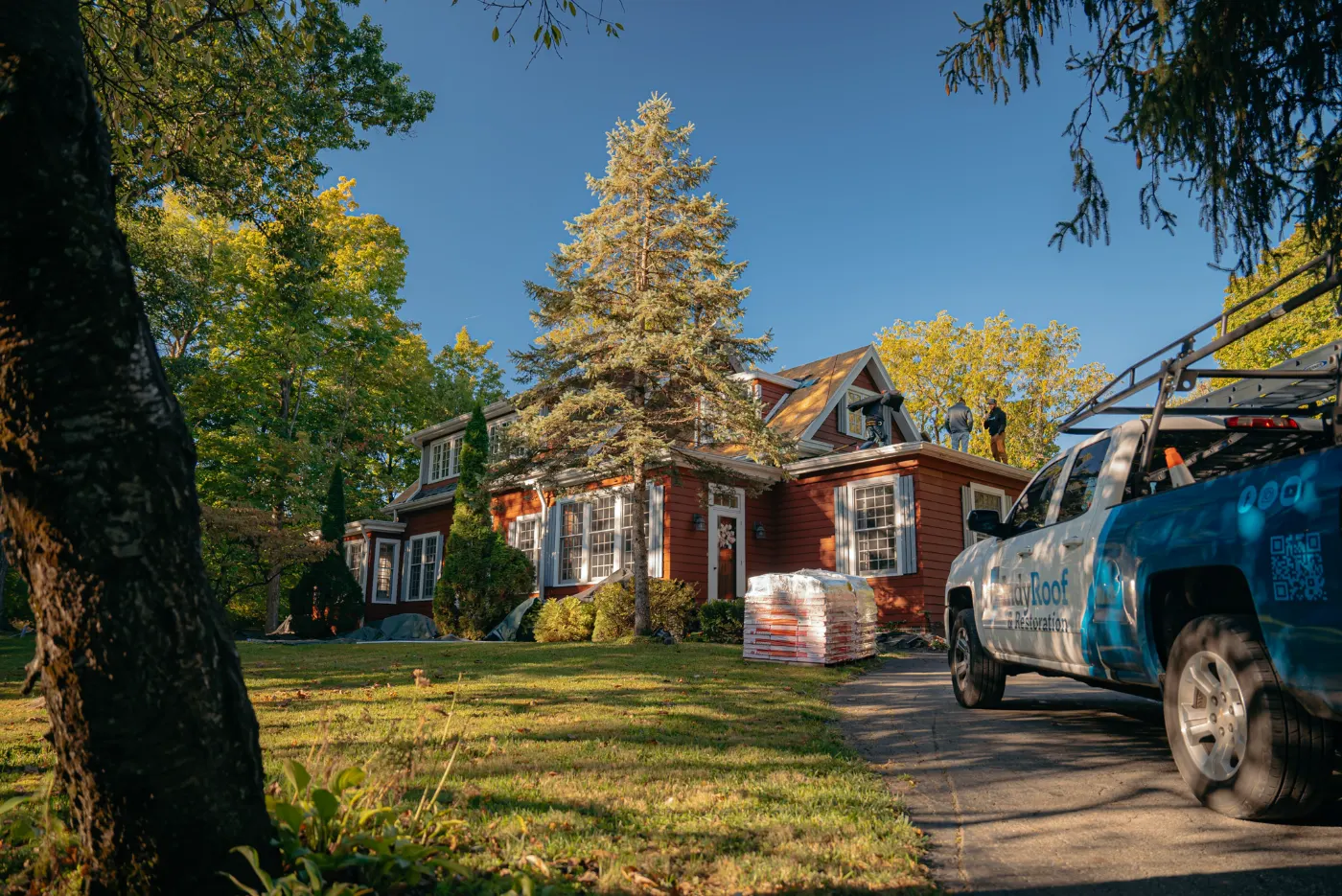
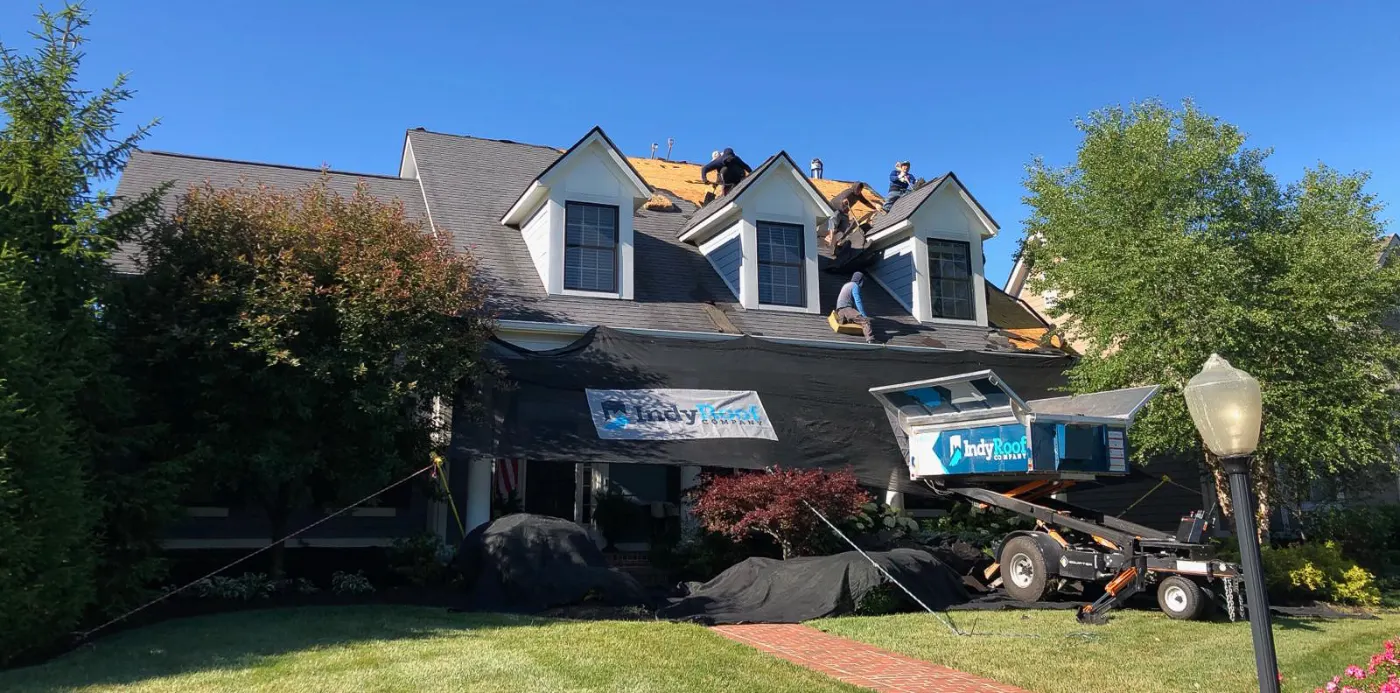
Photos from recent roofing projects completed by our manufacturer-certified crew across Wild Air and Boone. Every project is documented with photos and a written closeout package.
Inspect, Scope, Install, Walk Through
The first step for any Wild Air roof is the inspection. We come to the home, walk the roof when it is safe to do so, and check every plane, valley, and penetration for signs of storm or age damage. Photos go into a report you can hold onto. Before anything is scheduled, we sit down and walk you through what we found, what needs attention now, and what can wait. No pressure, no vague talk. Wild Air homeowners get a clear picture of the roof they actually have before we ever discuss scope or price.
Once you know the condition of the roof, we put together an honest written estimate. Everything is spelled out, materials, labor, scope, so there are transparent line items later. If the damage came from a storm and you plan to file a claim, we help by documenting the damage thoroughly and providing the written scope your insurance carrier and adjuster will need. We work with your carrier through the process, but the claim stays between you and them. That transparency matters on a Wild Air home where the roof is a significant investment.
When it is time to do the work, we schedule around your calendar and the weather. Materials get delivered, the property gets protected with tarps and ground covers, and the crew works the roof cleanly from tear off through final nailing. On completion, we do a walkthrough with you, cover any questions, and clean up so the yard looks the way it did before we arrived. A magnetic sweep for nails is part of the finish. Wild Air homeowners get a roof that performs and a job site that leaves nothing behind.
Free Roof Inspection
We start with a no obligation inspection of the entire roof system. Shingles, flashing, penetrations, and valleys all get checked, and we document what we find with photos. You get a straight read on the condition of your roof before anything else is discussed.
Honest Written Estimate
Every Wild Air estimate is in writing with clear line items for materials, labor, and scope. If a repair will hold, we say so. If replacement is the smarter call, we explain why. You decide from there, without pressure or vague pricing.
Insurance Documentation
If storm damage is in play, we photograph it thoroughly and put together the written scope your insurance carrier needs to evaluate the claim. works with your insurance carrier. You stay in control of the claim while we handle the roofing side.
Clean Workmanship, Final Walkthrough
The crew protects the property, works the roof carefully, and cleans up when the job is done. We finish with a walkthrough so you see the work up close, and a magnetic sweep for nails around the home. The site should look better than we found it.
Recent Wild Air Roofing Projects
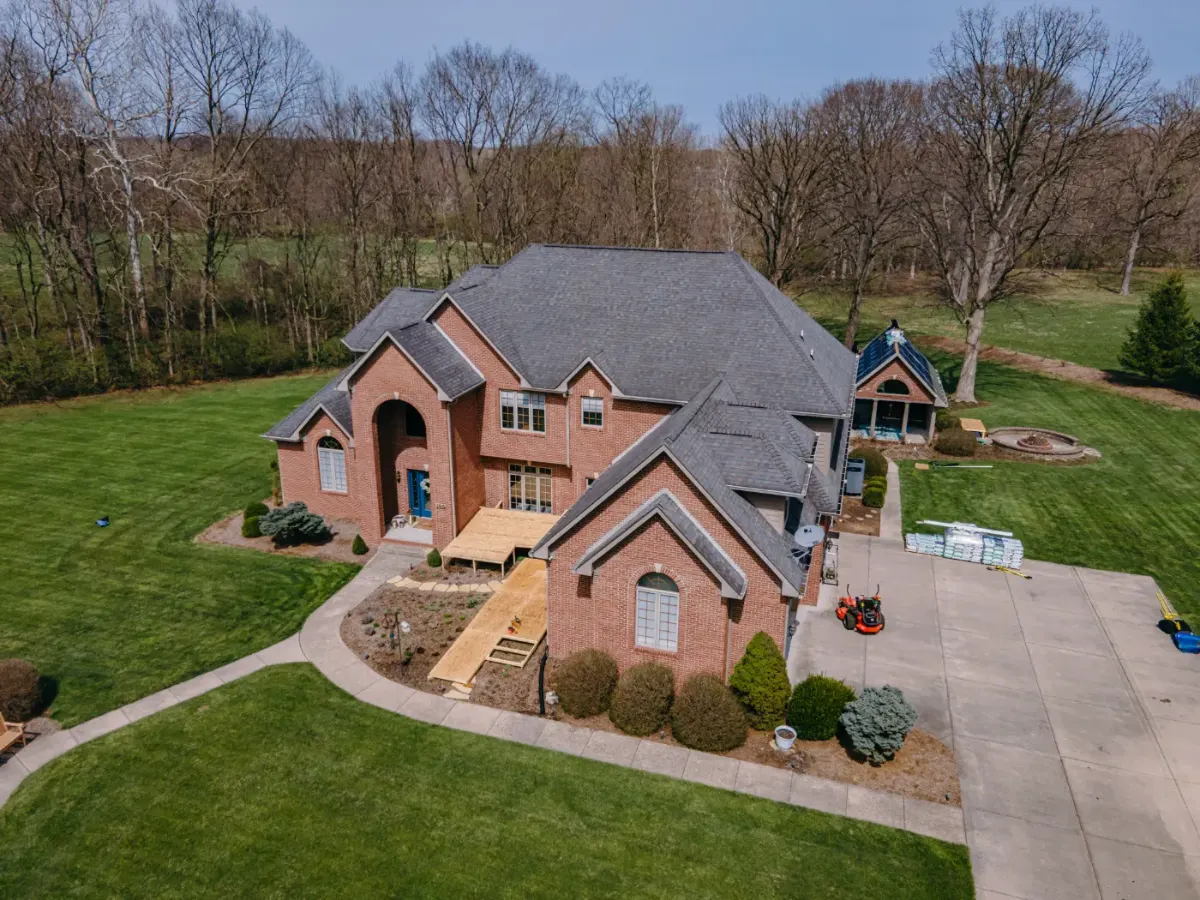
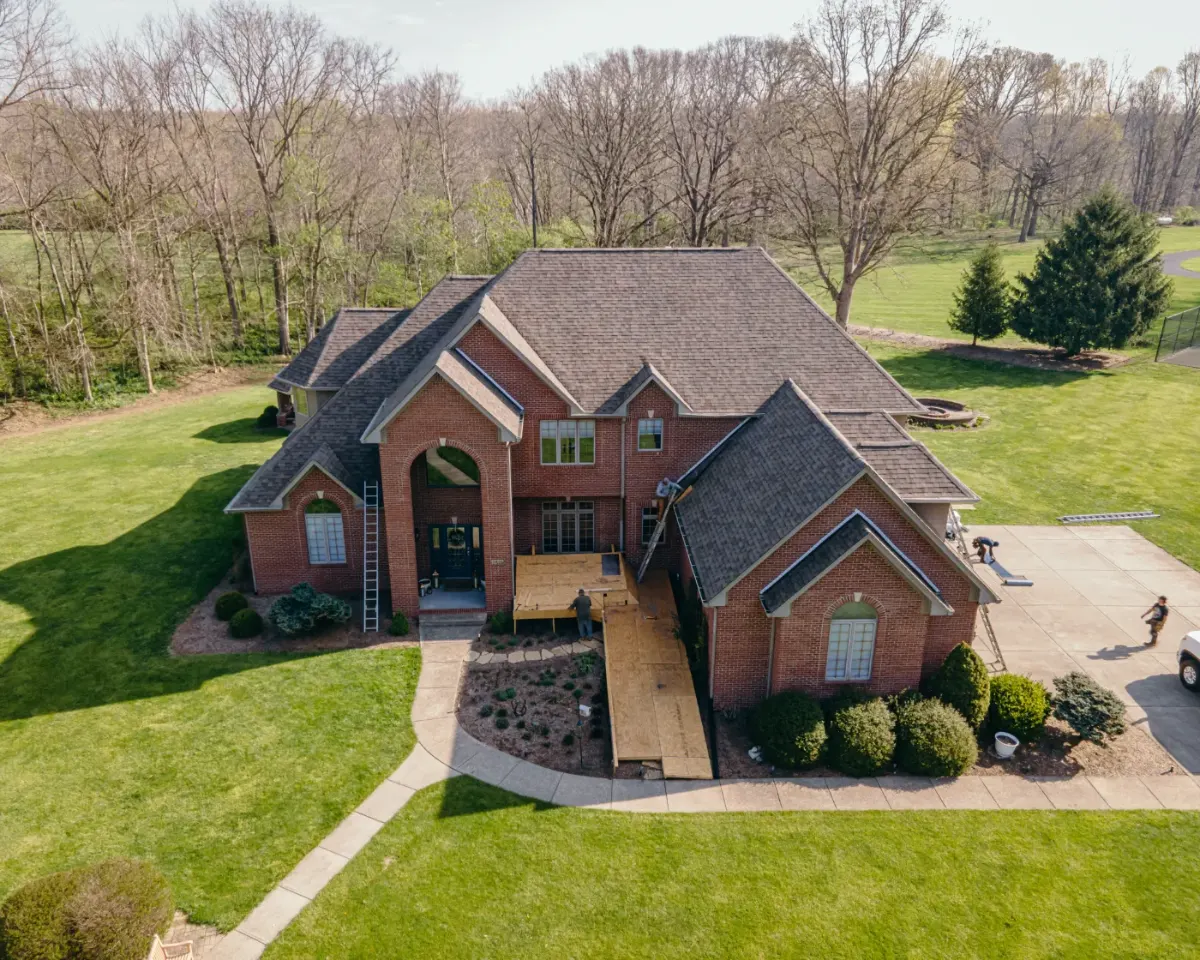
5 before-and-after projects documented for the homeowner and the homeowners insurance carrier.
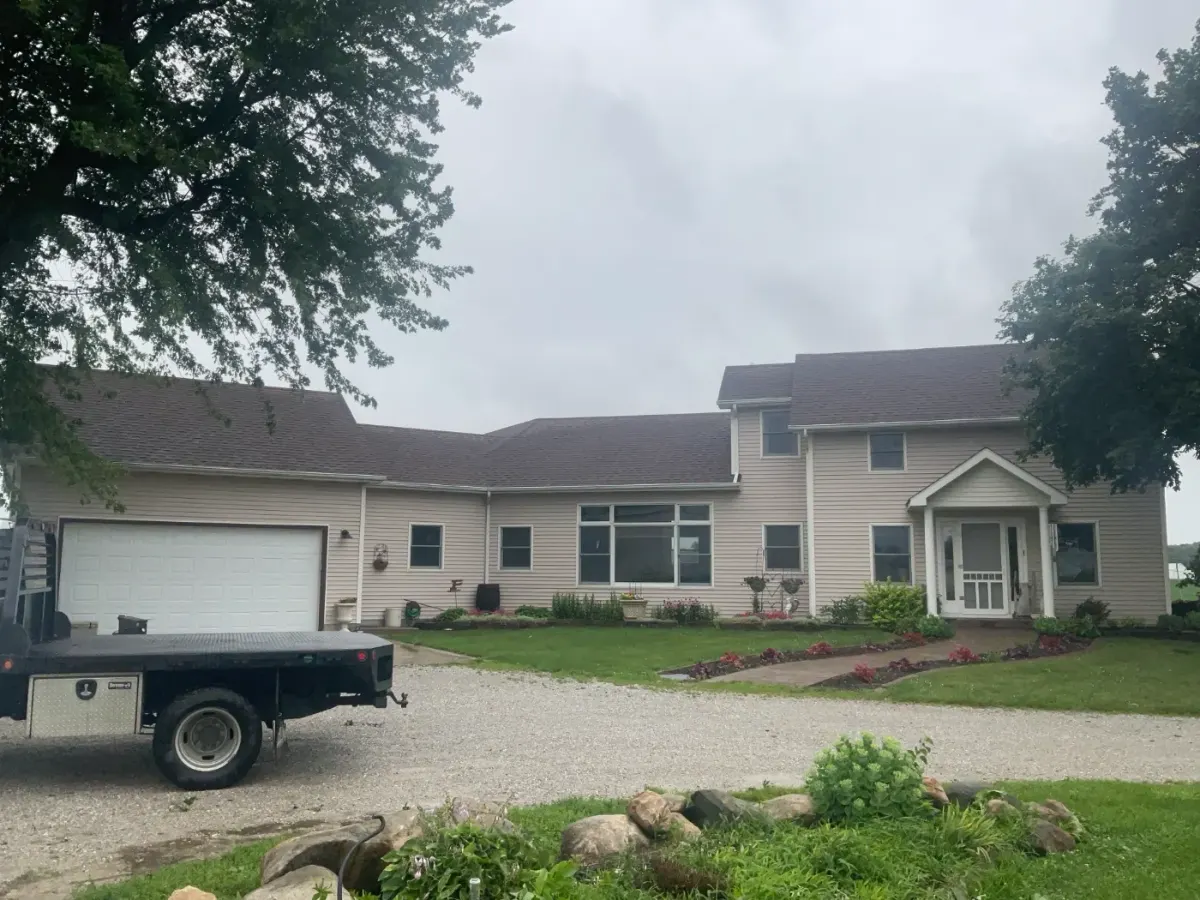
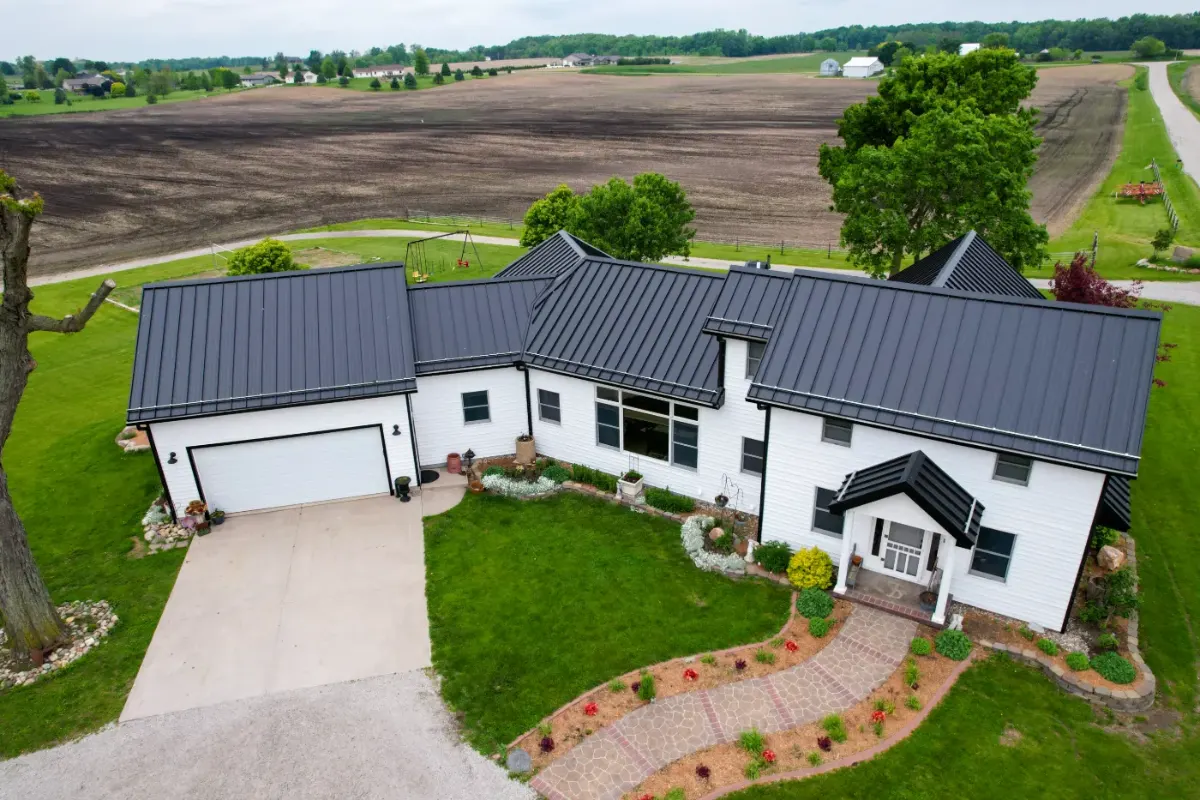
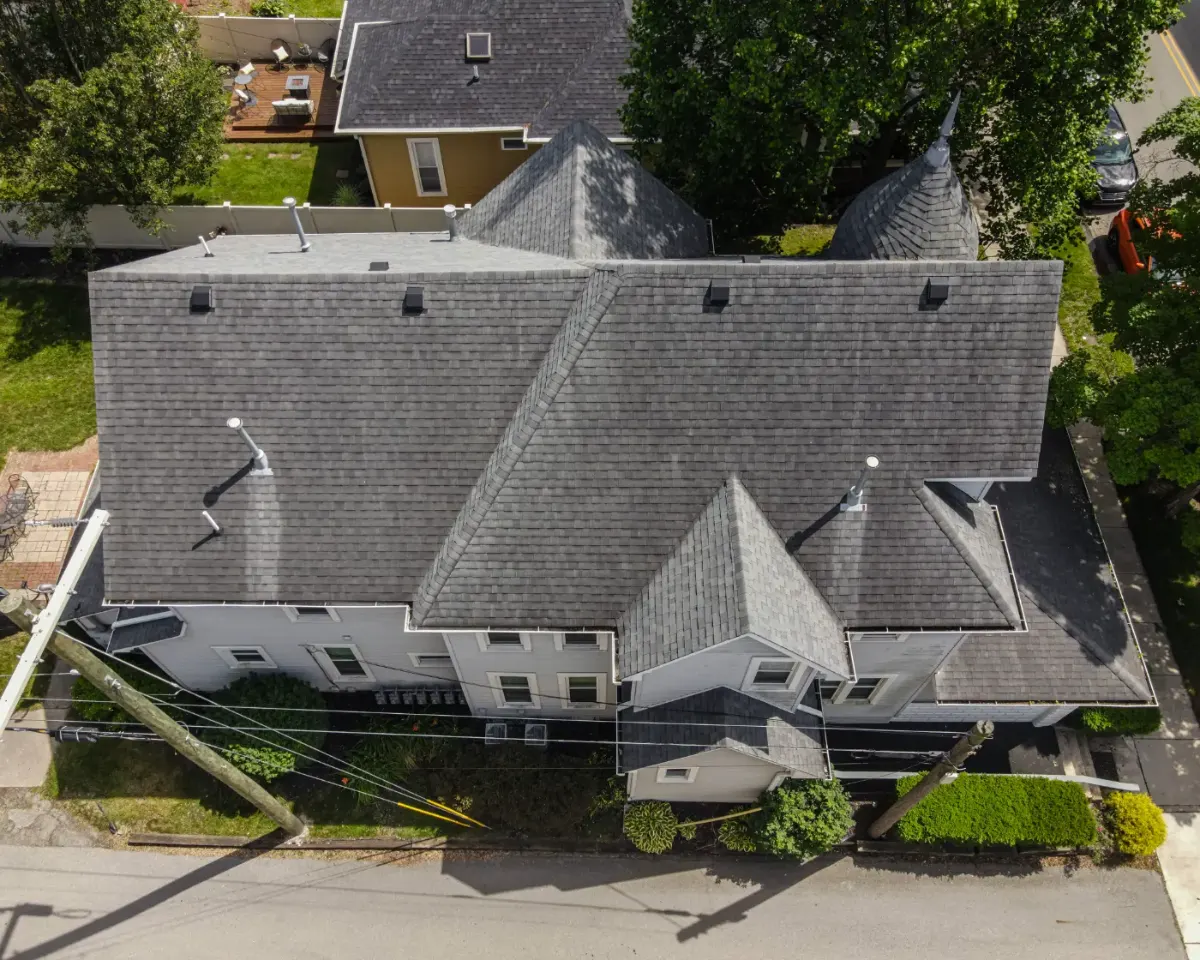
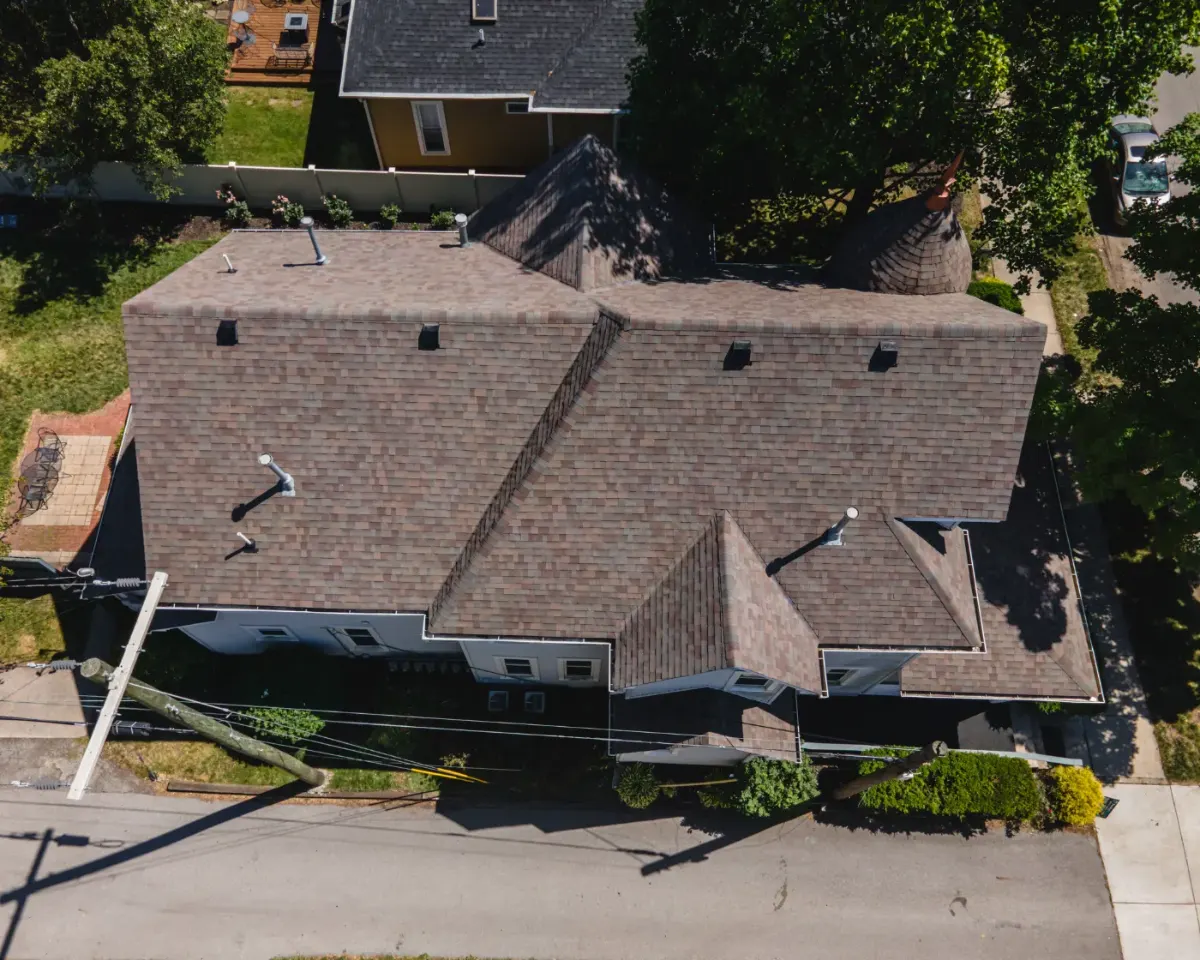
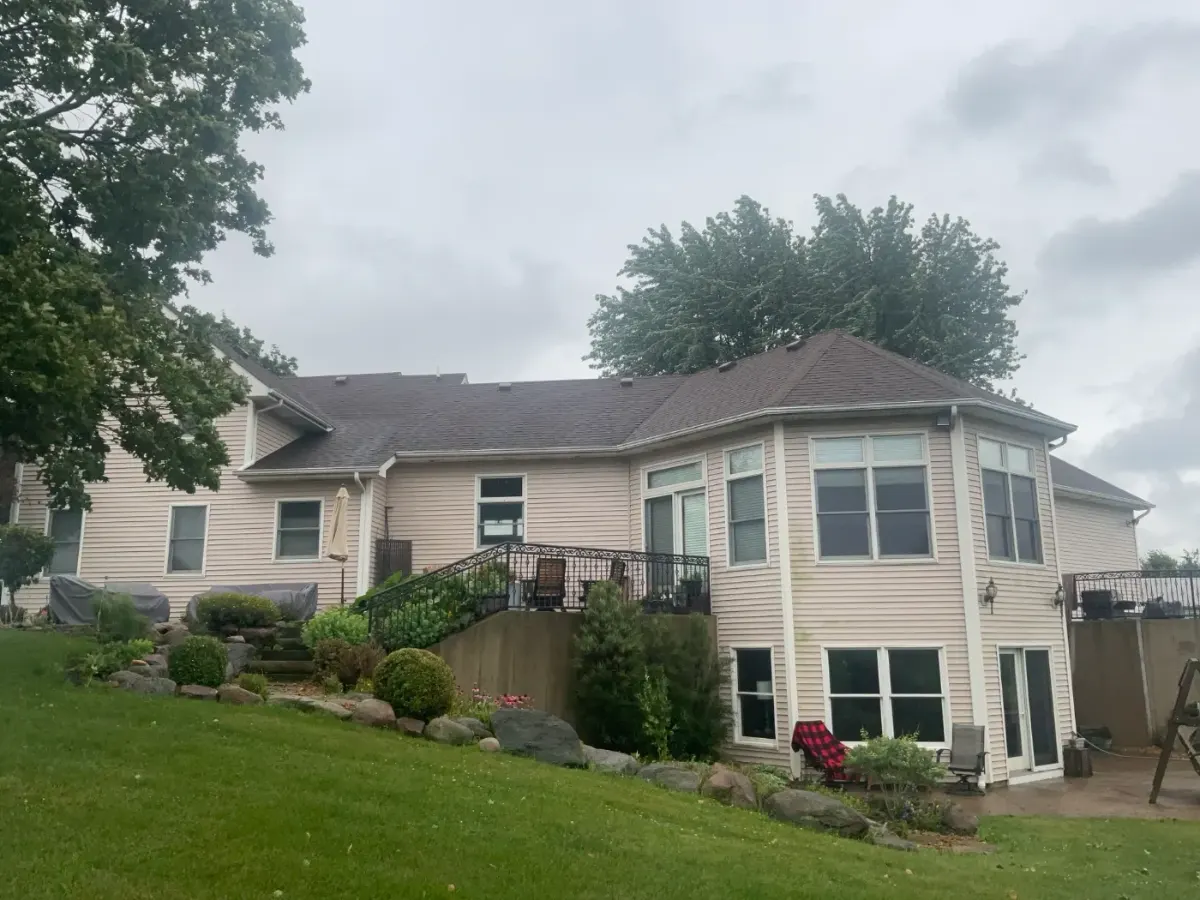
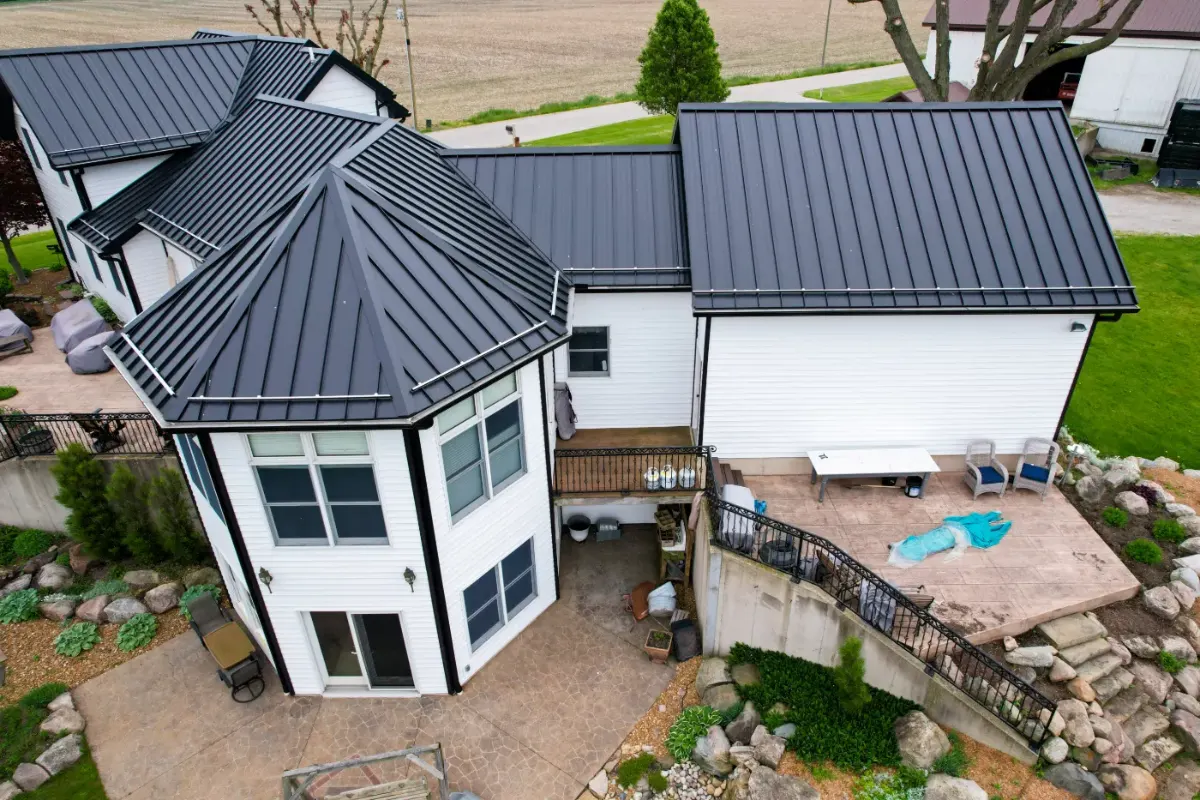
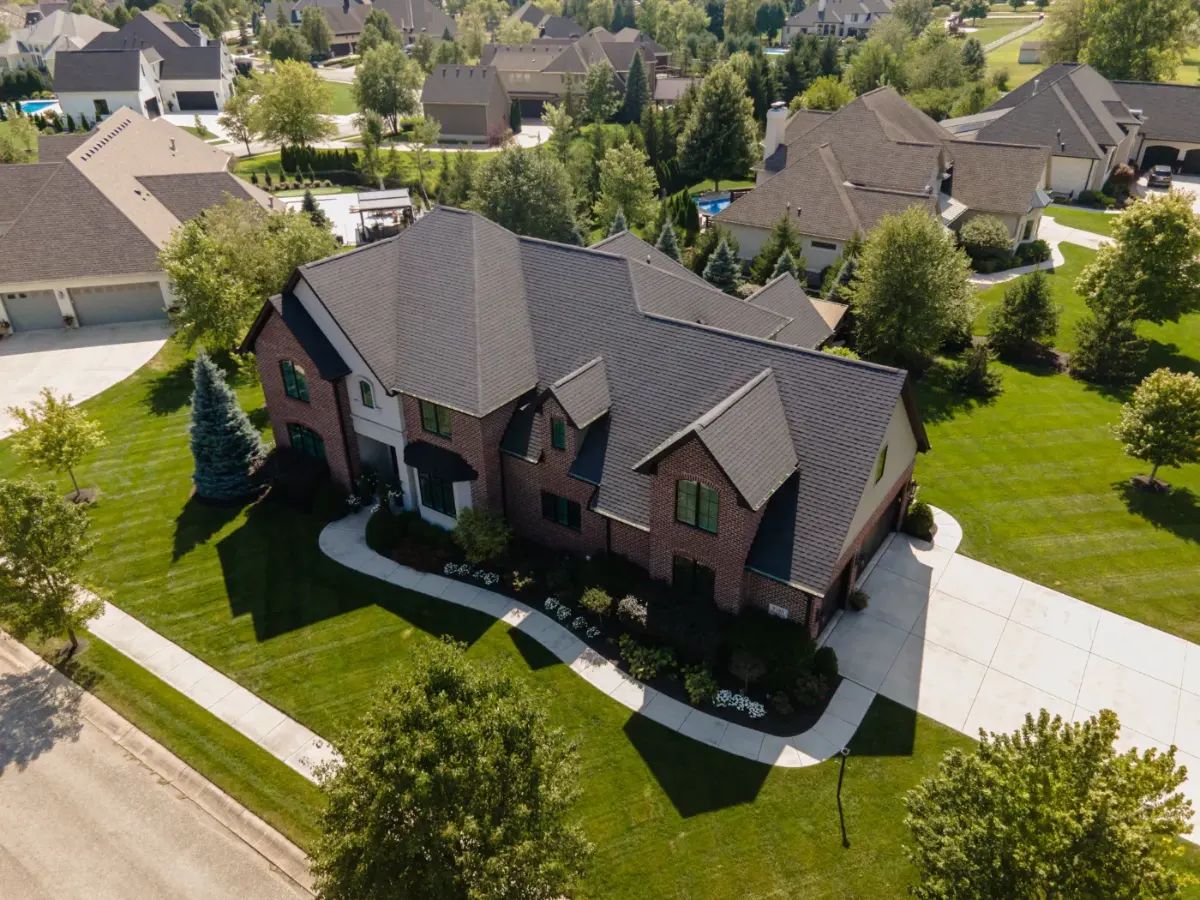
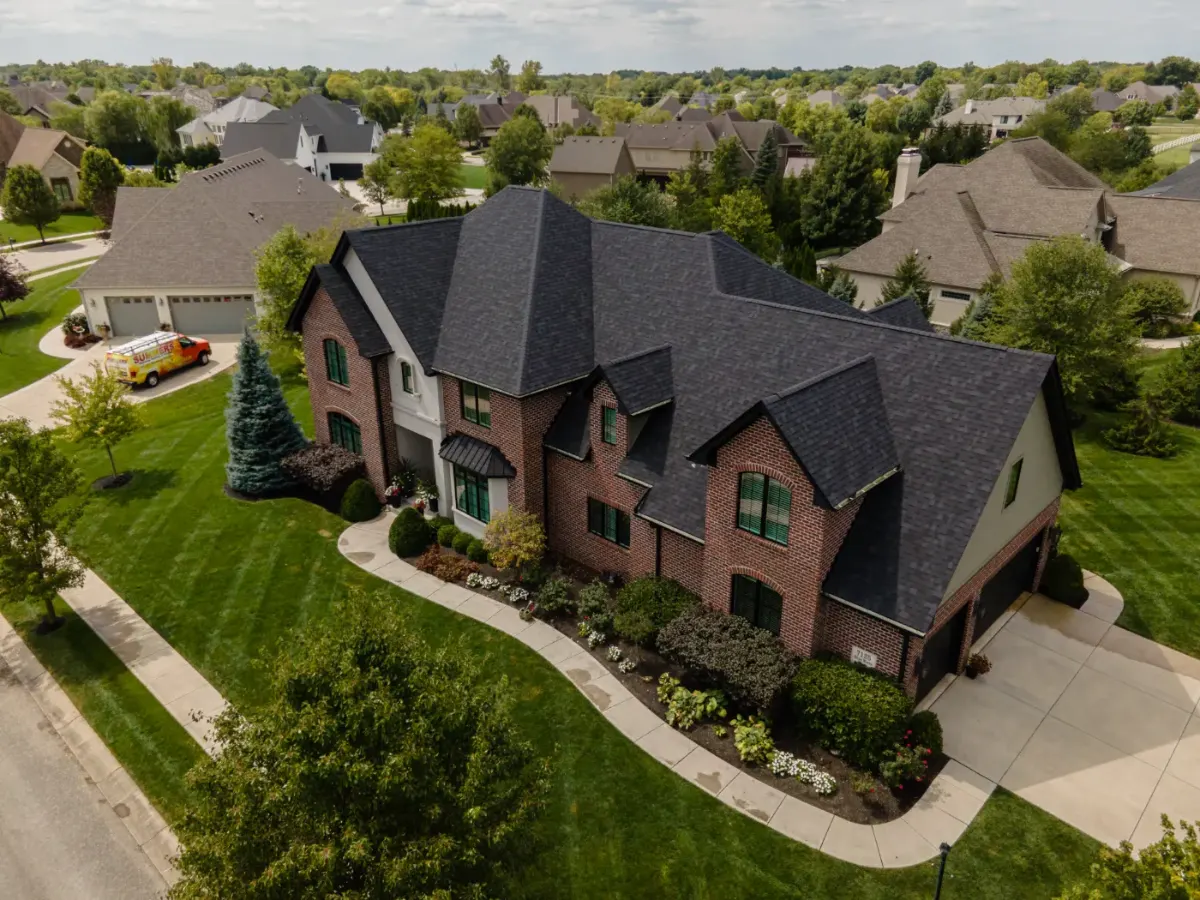
What we see most often on Wild Air roofs
Wild Air homeowners typically call us about these scenarios.
Sagging or Soft Spots in the Roof Deck
A roofline that dips between rafters usually means the plywood underneath has taken on water long enough to lose its structure. It is rarely visible from the ground and almost never from inside. Wild Air Roofing walks the deck during the inspection, marks soft sheets, and prices decking per sheet in the written scope instead of surprising you on tear off day.
Leaks at Chimneys, Pipes, and Skylights
Flashing and pipe boots fail long before the shingle field does. Rubber boot collars split under Wild Air sun, commonly around the ten to fifteen year mark by industry experience, and chimney counterflashing pulls loose as mortar joints age. Wild Air Roofing replaces the failed detail and checks the decking under it, because a slow boot leak usually rots more wood than it stains drywall.
Porch Roofs Too Flat for Shingles
Porch and addition roofs are usually shallower than the main slopes. A shingle roof sheds water downhill by overlapping; it does not hold water back, so wind-driven rain in a Wild Air storm gets under the laps and shows up along the wall inside. Wild Air Roofing tells you when the answer is a proper low-slope material instead of another course of shingles.
Skylight Staining the Ceiling Below
A skylight that leaks is usually a flashing kit that has outlived the roof around it, not a failed unit. Wild Air Roofing reflashes Wild Air skylights to the manufacturer detail or replaces aged units with your sign off, and either way the decking around the curb gets checked while the opening is exposed.
Ice and Water Shield That Stops Too Short
Where an ice barrier goes on it runs from the eave to at least 24 inches inside the exterior wall line, and plenty of older Wild Air roofs got a strip at the edge and nothing more. The result shows up as a winter leak that disappears every spring. Wild Air Roofing checks coverage during tear off and brings it to what the shingle manufacturer's instructions call for rather than matching what was there.
Holes Left by Dish and Panel Mounts
Anything bolted to a roof puts a hole through it, and that hole is only as good as what went in around it. Dish and panel installers often shoot a lag straight through the shingle and cover it with a dab of sealant, which holds until the sealant cracks. Wild Air Roofing finds abandoned mounts on Wild Air inspections, flashes or patches the opening properly, and checks the decking below it.
Three Simple Steps
We start with a free inspection and hold to the same disciplined steps until your Wild Air Roofing project is complete.
Free Inspection
Photos document what your roof looks like right now, and we go over the findings with you directly and practically. Scheduling happens around your availability.
Transparent Estimate
Written outlines spell out the work we recommend and why each piece helps your property. Pressure isn't part of it, and the options get explained slowly enough to actually think about.
Quality Installation
Manufacturer warranty registration is handled for you, in your name. The crews show up attentive, keep consistent timelines, and look after your property.
Reviews from Wild Air Storm Jobs
4.9 stars across 2,307+ Google reviews.
"I have used several roofing contractors over the years. This team is the one I keep coming back to because they communicate clearly and follow through on what they say."
"Roof repair on a chimney flashing issue we had two other contractors look at. They diagnosed the actual cause (flashing separation behind the cricket) where the others wanted to seal the visible area. Fixed it once and it has not returned."
"Designer profile install for the curb appeal upgrade we wanted on our exterior update. The visual depth is exactly what we were hoping for. Quality install with attention to the architectural details that matter on this profile."
"Designer shingle install with Class 4 impact rating. They walked us through what the rating does and does not cover and told us to ask our agent about the policy side. The math made sense and the curb appeal is a bonus."
"Hail damage replacement, insurance accepted their documentation without question, install completed on schedule. Manufacturer warranty registered in our name. Clean process."
Common Wild Air Roofing Questions
Straight answers to the questions Wild Air homeowners ask most.
Indiana Weather Affects Roofs Year Round
Indiana sees some of the most varied weather in the country. Wild Air homeowners deal with spring hail and severe thunderstorms, summer UV exposure, fall wind storms, and winter freeze thaw cycles. Understanding these patterns is how we plan maintenance, repairs, and replacement work.
Hail Bruising And Cracking
Boone County has seen Doppler detected hail dozens of times in a recent 12 month stretch, with stones large enough to bruise or crack asphalt shingles. Bruised shingles lose granules faster and open up leak paths at the fiberglass mat. When we come out after a hail event in Wild Air, we chalk mark impacts, photograph the pattern, and lay out repair or replacement options.
Wind Lifting And Tearing Shingles
Straight line winds pushing 80 mph are documented in this area, and Zionsville has seen a confirmed EF-1 tornado in a prior storm event. Wind gets under shingle tabs, breaks the seal strip, and can tear tabs off entirely at ridges and edges. We reseat or replace affected shingles, verify the field around them, and check ridge cap and edge metal for hidden lifting.
Ice Dams On Wild Air Roofs
Central Indiana winters bring freeze and thaw cycles that build ice dams along eaves, especially on complex Wild Air roof lines with valleys near unheated overhangs. Water backs up under the shingles and finds nail holes and seams. When called in, we clear the dam safely, inspect the underlayment area, and identify ventilation or insulation issues feeding the problem.
Granule Loss Over Time
Even a newer Wild Air roof will start shedding granules under sun, hail, and heavy oak debris from the 30 acres of preserved woodland canopy running through the community. Granule loss exposes asphalt to UV, and the shingles harden and crack. We check gutters and downspouts for granule buildup, evaluate the field, and advise whether spot repair or a full plan makes sense.
Choosing the Right Roof for Wild Air Homes
An honest breakdown of the three systems we install most frequently.
Architectural asphalt is the most common choice on Wild Air roofs, and for good reason. It hits a strong balance of cost, curb appeal, and dependable weather performance for central Indiana. The dimensional look adds shadow and depth on both traditional and contemporary elevations, and the color range is wide enough to work within community design guidelines. Manufacturer warranties on quality architectural shingles are strong when the roof is installed to spec, with proper starter courses, nailing pattern, and ridge cap. For most Wild Air homes, this is the sensible starting point that still looks the part on a luxury build.
Impact resistant Class 4 shingles are built to take the kind of hail that bruises standard asphalt. Given that Wild Air sits in a corridor with documented hail up to 2 inches in diameter and frequent spring storm activity, upgrading to Class 4 can extend granule life and reduce the odds of a full replacement after a bad hail event. Ask your insurance carrier whether your policy offers a premium credit for Class 4 shingles, since some do, but we cannot promise a discount on your behalf. The upfront cost is higher than standard architectural, and many Wild Air homeowners feel the tradeoff is worth it.
Standing seam metal offers the longest service life of the three options, often several decades with very little upkeep. The concealed fasteners eliminate the exposed screw failures you see on cheaper metal systems, and the panels shed snow, ice, and oak debris cleanly, which matters under the heavy tree canopy across Wild Air. Metal costs more upfront than asphalt, sometimes noticeably so. What you are buying is decades of low maintenance and a distinctive look that fits contemporary luxury designs particularly well. It is a longer commitment, so we walk through the tradeoff honestly before you decide.
The Roofing Work Wild Air Calls Us For
Roof Inspections
The call usually follows a specific moment. Someone finds granules washed into a flower bed. A shingle turns up on the lawn after a windy night.
A ring appears on a bedroom ceiling and grows a little with each rain. Each of those deserves a look, and none of them tells the whole story alone. Granules can mean an aging roof or a young one shedding.
A missing tab may be isolated or the first of many. Rather than guess from the ground, we get up there and find out what is happening on your Wild Air roof.
Roof Inspections in Wild Air ›Roof Repair
Repairs happen year round in Wild Air, though the calendar changes the approach. In cold weather, sealants need heat to bond and shingles turn brittle, so a crew moves slower and takes more care. In summer heat those same shingles soften and scuff, which means early starts and light feet.
Fall runs busiest, since everybody wants the roof settled before winter arrives. Whatever the season, an active leak gets attention right away, because water inside a house will not wait for better working weather. We schedule around the rain rather than the calendar, and we tell you honestly when a wet stretch is going to push your day back.
Roof Repair in Wild Air ›Emergency Roof Repair
Urgent work still gets documented, and here it matters even more. Before anything is covered or moved, we photograph the damage exactly as we found it, wide enough to show the roof and close enough to show the failure. Those pictures become the record your carrier looks at, and they cannot be recreated once the tarp goes on.
You receive a written description of what was done to secure the roof, what it cost, and what the permanent repair will involve. Nothing about an emergency in Wild Air should leave you guessing later.
Emergency Roof Repair in Wild Air ›Roof Replacement
Roofs get replaced in Wild Air through most of the year, though each season trades one advantage for another. Spring and fall bring mild temperatures, which shingles like, and also bring the crowds, which means booking further out. Summer means long days and fast work, with early starts to stay ahead of the heat.
Winter work is possible in a mild stretch, since sealant strips need warmth to bond and cold shingles crack when handled roughly. If your roof isn't leaking, we help you choose a window instead of rushing you into one.
Roof Replacement in Wild Air ›Designer Roofing
A quote for this kind of roof spells out which profile you chose, what the underlayment and flashing package includes, how the ridge is finished, and what the warranty covers in plain words. Because the products cost more, the estimate separates material from labor so you can see exactly what the upgrade adds. If you are weighing a designer roof against a standard one in Wild Air, we will write both, side by side, and let you sit with them.
No pressure attaches to either number, and neither expires. Most people find that seeing the two written out settles the question quickly.
Designer Roofing in Wild Air ›Why a Cheap Wild Air Bid Is Cheap
A bid well below the others is not a mystery, and it is usually not generosity. Something has been left out, and since almost none of it is visible once the roof is finished, the difference doesn't show up until later.
The most common omission is the tear-off. Going over the existing roof saves a day of labor and an entire disposal bill, and it also means nobody looks at the deck, the new fasteners never reach solid wood, and the whole assembly carries weight it wasn't framed for.
The next place to look is the deck line. A bid with no decking allowance isn't a bid that expects good wood. It is a bid that has moved that conversation to the day when your roof is open, the dumpster is in the driveway and rain is coming.
The same trick shows up with flashing. Reusing the existing metal at a chimney or a sidewall saves real money and real hours, and it puts decades old material under a brand new roof, which is where the leak will come from.
The details thin out from there. Starter course replaced by cut up field shingles. Ice membrane reduced to a narrow strip or skipped entirely.
Ridge caps cut from three tab material rather than the proper piece. Nothing at all done about ventilation. Fewer fasteners per shingle than the instructions call for, which is invisible until a wind event and also quietly voids the material coverage you thought you were buying.
And then there's what stands behind the price. Insurance that does not cover everyone on the roof, no permit pulled where the town wanted one, no office to call in a few years, and a workmanship promise from a company that changes names every couple of seasons.
We are not the cheapest bid on most houses and we don't try to be. What we'll do is tell you precisely what is in ours, so you can find out what's missing from the other one.
Roofing Work in Cold Weather
There's a lot of confusion about winter installs, and most of it comes from people repeating half of a true thing. The true part is that shingles rely on a heat activated adhesive strip to bond to the course below, and in cold weather that strip does not soften on its own.
What follows from that's not that roofing stops. It is that the crew has to hand seal, placing a dab of the right compound under each tab so the bond exists until the sun does the rest in the spring.
The material itself also behaves differently in the cold. Shingles get stiff and can crack if they are bent sharply or dropped, so bundles get kept warm and handled gently, and cutting gets done with more care. Nail guns need watching, since a shingle that's stiff enough will let a fastener sit proud or drive through.
None of this is exotic. It is simply slower and requires a crew that has done it before rather than one figuring it out on your house.
What we won't do is install over a wet or frosted deck, or tear off more than we can dry in before the weather turns. That's the real limit on winter work.
Daylight is short, the surface may not be safe to walk until midmorning, and a roof left open in a snow event is a serious problem. So we take smaller bites, plan around the forecast, and sometimes call off a day that looked fine the night before.
Repairs, on the other hand, happen whenever they need to. Leak calls do not wait for spring, and there's a lot we can do in the cold to stop water from getting into a house, even when the permanent fix has to wait for a warmer, drier stretch. If you're being told nothing at all can be done until the weather breaks, that usually means the company would rather not come out.
Ask About the Last Day on Your Wild Air Roof
Homeowners tend to ask about materials and price and forget to ask about the part they'll actually experience, which is what your property looks like when the trucks pull away. Start with where the debris goes during tear-off.
Tarps on the ground and against the walls, plywood over anything fragile, and a dumpster or trailer positioned so the driveway does not take the hit. Ask what protects the landscaping along the drip line, since that is where most of the old roof lands.
Then ask about nails, because that's the complaint we hear most often about other people's work. A tear-off releases thousands of fasteners, and gravity puts a fair number of them in your yard.
The answer you want involves a rolling magnet run across the drive, the walkways and the perimeter at the end of every day instead of once when the whole job is finished, plus a pass over the lawn where children and pets go. Ask what happens if you find one afterward, and listen for whether somebody comes back without an argument.
Gutters deserve their own question. They collect granules, nail shanks and shingle fragments during a tear-off, and a crew in a hurry will leave all of it sitting there to plug your downspouts by fall.
Ask whether they're cleared before the crew leaves. Ask the same about the roof of a lower porch, a deck or a screened enclosure, which are easy to overlook and easy to damage.
Finally, ask whether somebody walks the job with you at the end. Not a text message saying it's finished, but a person on site while you look at the ridge line, the flashing at the walls, the cut of the valleys and the state of the yard.
That walk is where small things get fixed in ten minutes instead of turning into phone calls. If a company doesn't do one, ask why, because it costs them almost nothing and tells you what they think happens after the check clears.
The Attic Half of a Roof Inspection
Half of what we learn about a roof, we learn from underneath it. The shingles tell you how the surface has weathered. The attic tells you why, and it is the part most inspections skip because it takes time and nobody enjoys crawling through insulation on a warm afternoon.
With a light, we look at the underside of the sheathing for dark staining, which maps out where moisture has been sitting even when there's no active drip. Rusted nail tips point to condensation rather than a leak, and the difference matters enormously, because a condensation problem will ruin a new roof just as surely as it ruined the old one.
We check whether insulation has been packed into the eaves and choked off the intake, whether baffles exist at all, and where the bath and kitchen fans actually terminate. A fan dumping into the attic is one of the most common things we find and one of the cheapest to correct.
We also read the framing. Sagging between rafters, previous repairs, added weight from a second layer of covering, or a spot where somebody set a foot through and patched it from above. Any of that changes the scope, and it's far better known before you sign than discovered on tear-off day.
If your house has no attic access, or the ceilings are finished right up to the deck, we say so and adjust. In that case a moisture reading from below, a careful look at the soffit and ridge from outside, and a closer study of how the surface has aged carry more weight.
It is a slightly less complete picture, and we'll tell you it's less complete instead of pretending otherwise. Where the attic is only partly reachable, we get as far in as we safely can and note which sections of the deck we were able to see and which we were not, so the report reflects what was actually looked at.
The Repairs We Inherit on Wild Air Roofs
A fair share of what we find on a roof was put there by whoever came before us, and it usually tells a clear story. The most common inheritance is a second layer of shingles laid straight over the original. It saved somebody a day of labor once, and now the deck carries weight it was never framed to hold, fasteners cannot reach solid wood, and nobody has laid eyes on the sheathing in a very long time.
Fastening is the next thing we study. Shingles have a narrow band across the face where the nail belongs, and driving above it leaves the head gripping nothing but the tab above.
High nails, overdriven nails that cut through the mat, and staples left over from an older habit all reveal themselves the same way in wind. Whole runs of tabs come off in a storm the neighbors sleep through, and the homeowner is left believing the material failed.
Then there's the sealant. Somewhere along the way, a tube of caulk became the answer for every joint on a roof. We find it smeared across chimney flashing, packed around a split pipe collar, and troweled into a valley as a patch.
It buys a season or two, cracks in the first hard cold, and by the time it lets go the wood underneath has usually taken on water. Metal, lapped in the right order and fastened where running water can't reach the fastener, is what belongs in every one of those places.
Inside the attic the same pattern repeats. Bath fans blowing into the insulation instead of out through the roof or a wall, a ridge slot cut too narrow to move any air, or no slot cut at all beneath a vent that looks perfectly fine from the ground. We photograph every bit of it before we touch anything, partly so you can see what you have been paying to keep dry and partly so there's no argument later about what was already there when we arrived.
The Questions We Hear Around Wild Air
Which Wild Air Areas We Cover
Click a neighborhood below and you'll find the details our crews gathered on roofs there, across Wild Air and the areas next to it.
Where we respond near Wild Air
Indiana-licensed crews dispatched to Wild Air and the closest surrounding communities.
Roofing Systems Compared in Wild Air
Here for quick reference: our four most commonly installed residential systems, with prices drawn from typical Wild Air work.
As of 2026 these figures reflect what the Wild Air market typically runs. A plus sign attached to the top of a range signals that findings from the inspection could take your project above the listed maximum. Ask for the written scope and quote, which is free.
Wild Air Roofing is powered by Indy Roof & Restoration
Every quote, crew, and warranty on this page traces back to Indy Roof & Restoration. Serving central Indiana since 2018 means Indy Roof & Restoration has seen what Wild Air weather does over full decades, not one season. Homeowners have left 2,307+ verified Google reviews averaging 4.9 stars, which puts Indy Roof & Restoration among the highest rated contractors in the area.
Licensed and insured · License #RC21100059
That work is backed by Owens Corning Preferred Contractor, Malarkey Certified Contractor, BBB A+ Accredited and Google Google Guaranteed. Local media including FOX59, WISH TV, and RTV6 have covered their work.
Expert Wild Air Roofing Crews Available Now
Whether a spring storm just moved through Wild Air, your roof is showing its age, or you are planning ahead on a new custom build, now is the right time to know where you stand. Schedule a free inspection with Wild Air Roofing, no obligation, and we document everything for your records or your claim.