How to Respond to a Leak in Heavy Rain
Responding to a roof leak in heavy rain goes best as a clear sequence of actions, and following one helps a Wild Air homeowner stay calm and limit the damage. The approach is to act quickly to contain the water, move and cover belongings, address a bulging ceiling carefully, check for electrical hazards, resist going on the roof, document everything, apply temporary interior measures, decide whether it is an emergency, and arrange a proper repair after the storm. Here is a step by step method for handling a leak during heavy rain safely and effectively, from the first drip to the eventual repair.
Act Quickly to Contain It
Start by acting quickly to contain the water. Place buckets, bins, or large containers under the active drips, and lay towels around the area to catch splashing and limit spreading. For a Wild Air homeowner, fast containment is the most important first step, since standing water progressively damages floors, furniture, and the structure the longer it sits. Position containers directly under the drips and empty them before they overflow. If water is coming through at multiple points, use several containers. This immediate containment limits the damage and buys time while you address the other aspects of the situation, since controlling the water is the foundation of effective damage control during the storm.
Resist Going on the Roof
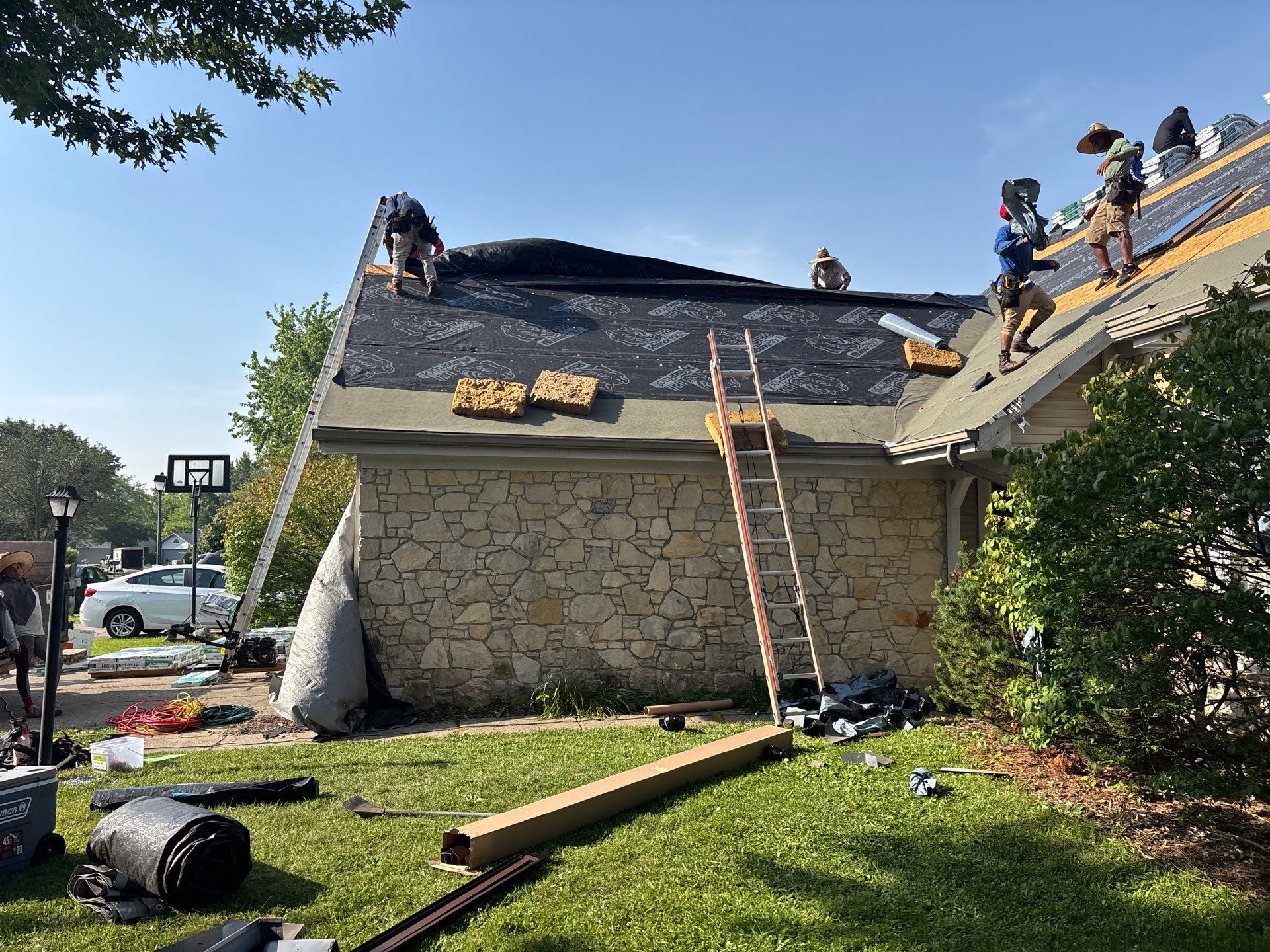
Resist the urge to go onto the roof to stop the leak, since a wet roof during a storm is extremely dangerous. The slippery surface, combined with wind and poor footing, makes a serious fall a real risk. For a Wild Air homeowner, no leak justifies that danger, so the repair has to wait until the storm passes and the roof is dry enough to work on safely, ideally for a professional with proper equipment. Trying to tarp or patch a roof in an active downpour is both hazardous and largely ineffective, since repairs do not hold on a wet surface. Keeping yourself off the roof and managing the leak from inside is the only safe and sensible choice while it is raining.
Take Steps to Prevent It
Finally, take steps to prevent future leaks. Beyond repairing the current one at its source, keep up with roof maintenance, since regular inspections catch developing weaknesses before the next heavy rain finds them, and addressing minor issues early heads off leaks. For a Wild Air homeowner, this proactive care is the most effective way to avoid repeating the stressful experience of a storm leak, since most leaks develop from gradual wear at vulnerable points. Wild Air Roofing helps Wild Air homeowners fix roof leaks at their source and maintain their roofs to withstand future storms. Call (812) 706-3576 after the storm to get the leak repaired and your roof ready for the next downpour.
Check for Electrical Hazards
Check for electrical hazards, since water and electricity together are dangerous. If water is near light fixtures, outlets, or the electrical panel, or pooling near anything electrical, treat it as a serious risk. For a Wild Air homeowner, the safe step is to avoid contact with the water near electrical components and, if it can be done safely, shut off power to the affected area at the breaker. Do not touch wet fixtures or stand in water near electrical sources. If the situation seems hazardous or you are unsure, stay clear and contact an electrician or emergency services. Addressing electrical safety takes priority over the water damage, since protecting everyone in the home from electrical danger is the most important concern in the moment.
Arrange Repair After the Storm
Once the storm passes and conditions are safe, arrange a proper repair. If more rain is expected, a temporary tarp over the area, ideally installed by a professional, may be needed first, then the actual source of the leak should be properly diagnosed and repaired. For a Wild Air homeowner, getting the leak professionally fixed after the storm is what prevents it from recurring in the next rain, since the interior measures only managed the symptom. Acting promptly after the weather clears also limits further damage. Scheduling the repair soon closes out the problem at its source, so the roof is not left vulnerable to the next downpour and you avoid repeating the whole stressful experience.
Decide If It Is an Emergency
Decide whether the situation is an emergency requiring immediate help. A minor drip you can contain is usually manageable until the storm passes, while water pouring in, a ceiling at risk of collapse, or water near electrical components signals an emergency. For a Wild Air homeowner, the presence of a safety hazard is the clearest sign to call for help, including emergency services if needed. Many roofers offer emergency response, including 24 7 availability, for serious leaks. When in doubt, prioritizing safety and contacting a professional is the cautious choice. Making this judgment, managing minor leaks yourself and escalating genuine emergencies, ensures you respond appropriately to the severity of the situation rather than under- or over reacting.
Move and Cover Belongings
Next, protect your belongings by moving what you can out of the water's path and covering anything too heavy to move with plastic or a tarp. For a Wild Air homeowner, acting fast here prevents avoidable losses, since water ruins possessions quickly and a leak's damage often extends well beyond the ceiling. Lift items off a wet floor and relocate expensive or sentimental things first. Concentrating your effort on what is most valuable or vulnerable makes the most of the limited time during the storm. Protecting your belongings confines the damage to the structure rather than your possessions, which often makes the biggest difference in the overall cost and stress of the event, so it deserves prompt attention early on.
Apply Temporary Interior Measures
Apply temporary interior measures to further limit the damage. If the attic is safely accessible, place a container to catch water closer to the source, intercepting the leak before it reaches the ceiling, and move stored items away from the water. For a Wild Air homeowner, working from inside the attic, when it is safe, can catch the water higher up and reduce the spread, while towels help soak up water elsewhere. These measures aim to manage the damage, not repair the roof, which still must wait for the rain to stop. The goal is to keep the water contained and the home protected until a proper repair becomes possible, so any safe interior step that limits the spread is worthwhile during the storm.
Make the Right Call
Working through these steps, containing the water, protecting belongings, handling a bulging ceiling and electrical hazards, staying off the roof, documenting the damage, and arranging repair, gives a Wild Air homeowner the best chance of limiting the damage and staying safe during a heavy rain leak. The right call throughout is to prioritize safety and damage control in the moment, leaving the actual repair for after the storm. Wild Air Roofing helps Wild Air homeowners with roof leaks, including emergency response and proper repairs once the weather clears. Call (812) 706-3576 when a leak needs attention, and we will help you protect your home and get the roof fixed right.
Document Everything
Document everything while you manage the leak, since it supports a potential insurance claim. Photograph or film the active leak, the damage to ceilings, walls, and belongings, and the overall extent, both during and after the storm. For a Wild Air homeowner, this matters because storm related roof damage may be covered, and good evidence helps establish that the damage resulted from the storm. Keep records of the storm and any temporary repairs, and save related receipts. Doing this in the moment, when it is safe, ensures you have what you need when dealing with insurance later. A professional assessment after the storm can further document the roof damage, strengthening your claim and smoothing the recovery process.
Address a Bulging Ceiling Carefully
If you notice a bulging or sagging ceiling, address it carefully, since it signals trapped water and a risk of collapse. If you can do so safely, make a small hole at the lowest point of the bulge to drain the water into a bucket, standing clear as you do. For a Wild Air homeowner, this controlled release is usually safer than letting a heavy, water filled ceiling fail on its own, though it should only be attempted if it can be done safely. If you are not comfortable doing it, keep clear of the area and wait for professional help. Recognizing the bulge as a hazard and handling it cautiously, or avoiding it, limits both the damage and the danger to you.